10 Contractor Red Flags Every Homeowner Should Watch For
Most renovation problems don't start on site. They start during the hiring process, when the right questions weren't asked. After years of managing projects and stepping in to fix work that went wrong under other contractors, the warning signs are recognizable. They were almost always there early on.
Here's what to watch for, both before you hire and once the work begins.
Red Flags Before You Hire
1. The Quote Is Missing Inclusions and Exclusions
A quote that doesn't spell out exactly what's included and what isn't is a setup for surprise costs later.
Say the electrical work wasn't itemized. A few weeks in, the contractor lets you know that roughing in the electrical will be an extra $3,500 or $4,500. That number wasn't in the original quote because nobody put it there, and now you're in a difficult position.
A well-structured quote should cover everything required to complete the project from start to finish: design, permits, all the mechanical work, framing, tile setting, finishes, and cleanup. What you're responsible for and what the contractor is responsible for should be clearly stated. If a quote arrives without that level of detail, ask for it before you proceed.
2. The Price Is Far Below Every Other Quote
Getting three quotes is good practice. But if one comes in noticeably below the others, the right question isn't whether you're getting a deal. It's what's missing.
A lower price often reflects a thinner scope, lower-grade materials, fewer included trades, or less experienced labour. Any of those can become a higher cost later. A competitive quote is one thing; an outlier deserves a closer look.
3. They Can Start Tomorrow
A contractor who can begin your project next week, when you reached out yesterday, may have availability for a reason.
Good contractors and skilled trades carry booked schedules. Unless they're a service company responding to an urgent repair, a quality team is generally not sitting idle waiting for the next call. That availability might mean a recent cancellation, or it might mean something else. It's worth understanding what it may be before you commit. The same applies to contractors who promise significantly faster timelines than everyone else you've spoken to.
4. They Can't Point You to Past Clients
Online reviews can be useful, but they aren't the whole picture. In some cases, they aren't accurate at all.
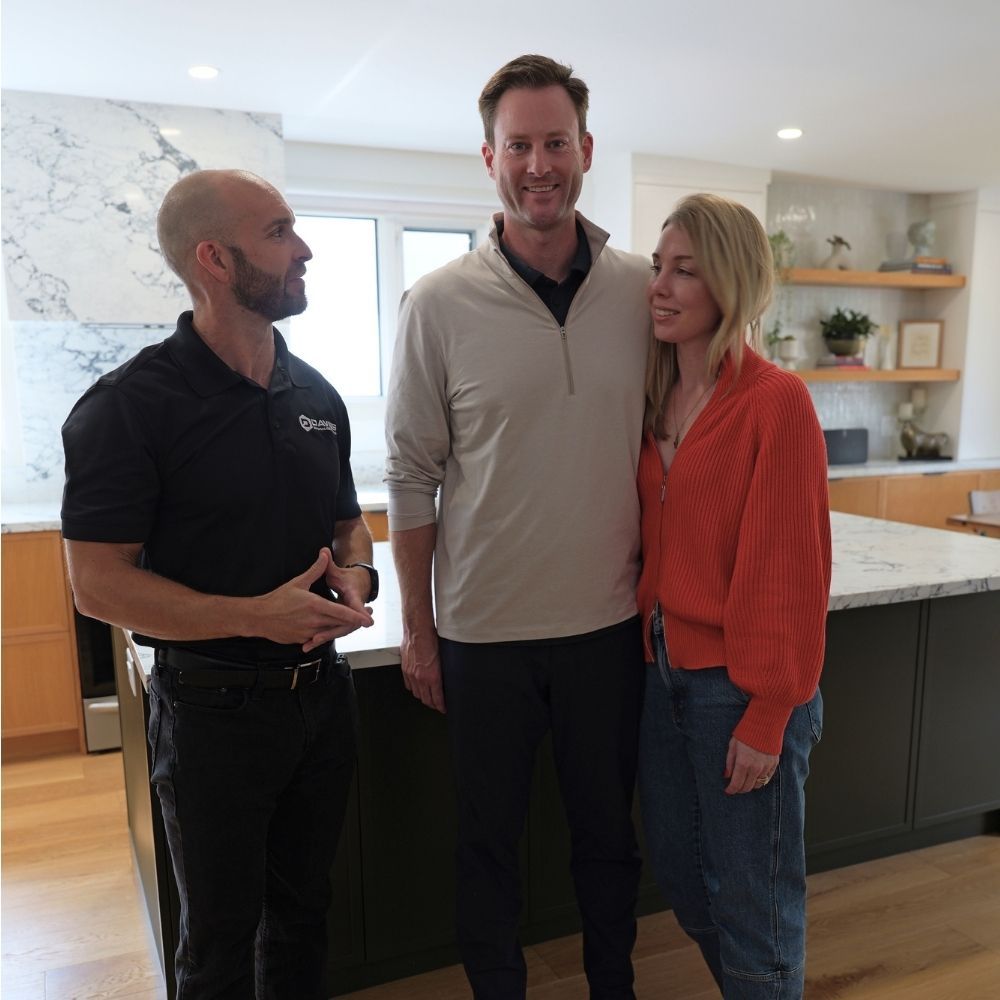
What's harder to fake is a real client who will take your call. For any significant renovation, ask for references. On a larger project like a full home renovation, ask whether you can walk through a completed job and speak with the homeowner about how the timeline, cost, and process actually played out. If the contractor says they don't have anyone you can speak to, that's a red flag.
5. They Want a Large Deposit Before Work Begins
If a contractor asks for a large deposit before any work has started, that's worth questioning. Ask yourself what that money is needed for before the project has even begun.
A fair payment structure is tied to progress: a deposit at the start, draws as work moves forward, and a final payment on completion. That structure protects both parties and keeps the contractor accountable throughout the job.
Before anyone sets foot in your home, also verify WSIB coverage and valid insurance. If those aren't in place, the liability falls to you.
6. The Contract Is Vague or Missing Key Terms
Every renovation contract needs a signature and clear payment terms. Change orders need the same. If you request additional work mid-project, that change should be documented, costed, signed off, and any impact on the schedule should be noted before the work begins.
A contract with loose language around scope, changes, or payments creates room for disputes later. A contractor who resists putting things in writing is not setting the project up for success.
7. Their Planning Process Has No Structure
Some contractors still operate on what amounts to back-of-a-napkin scheduling. No software, no documented process, no clear method for coordinating trades in sequence.
Ask how they manage a project from start to finish. If the answer is vague or they can't describe a consistent process, that's a reliable indicator of how your job will be run. Solid project management isn't a bonus at this level. It's a basic requirement.
Red Flags Once the Work Starts
8. The Job Site Is Left in Rough Shape
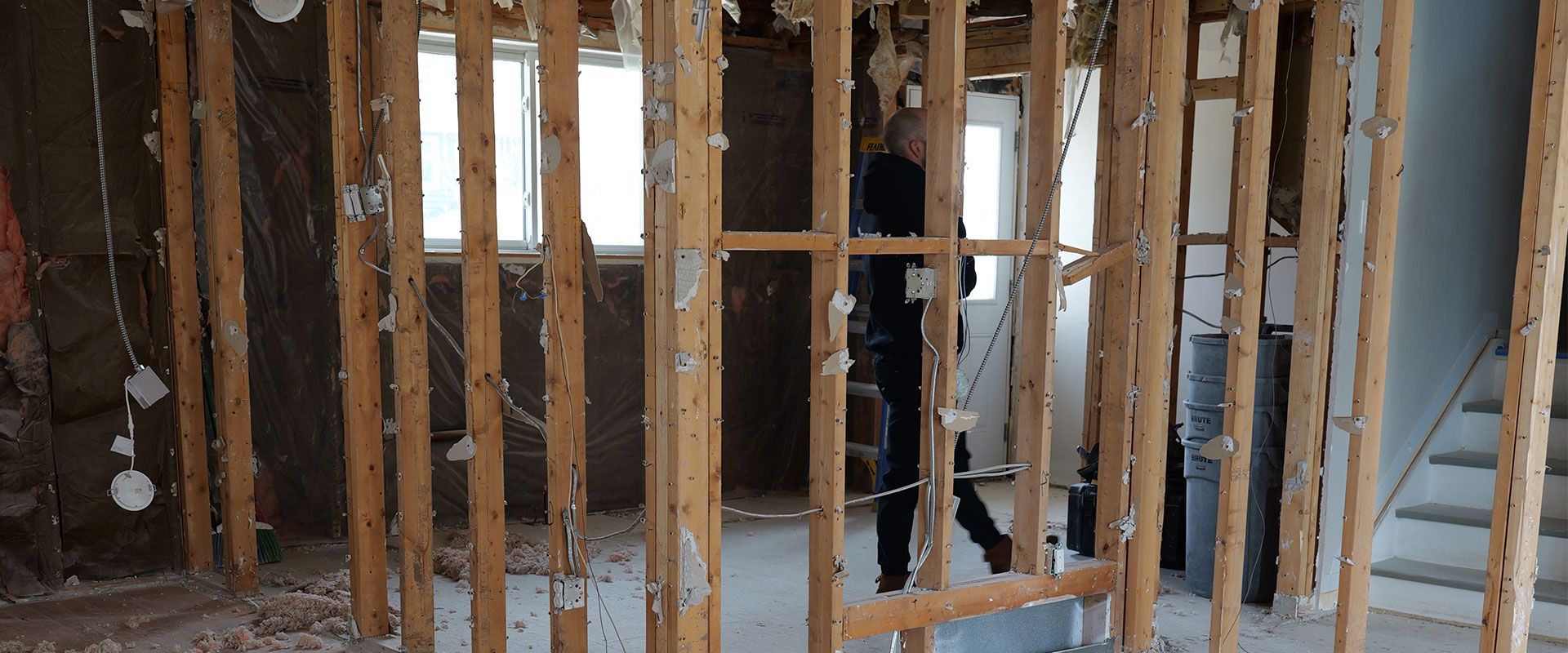
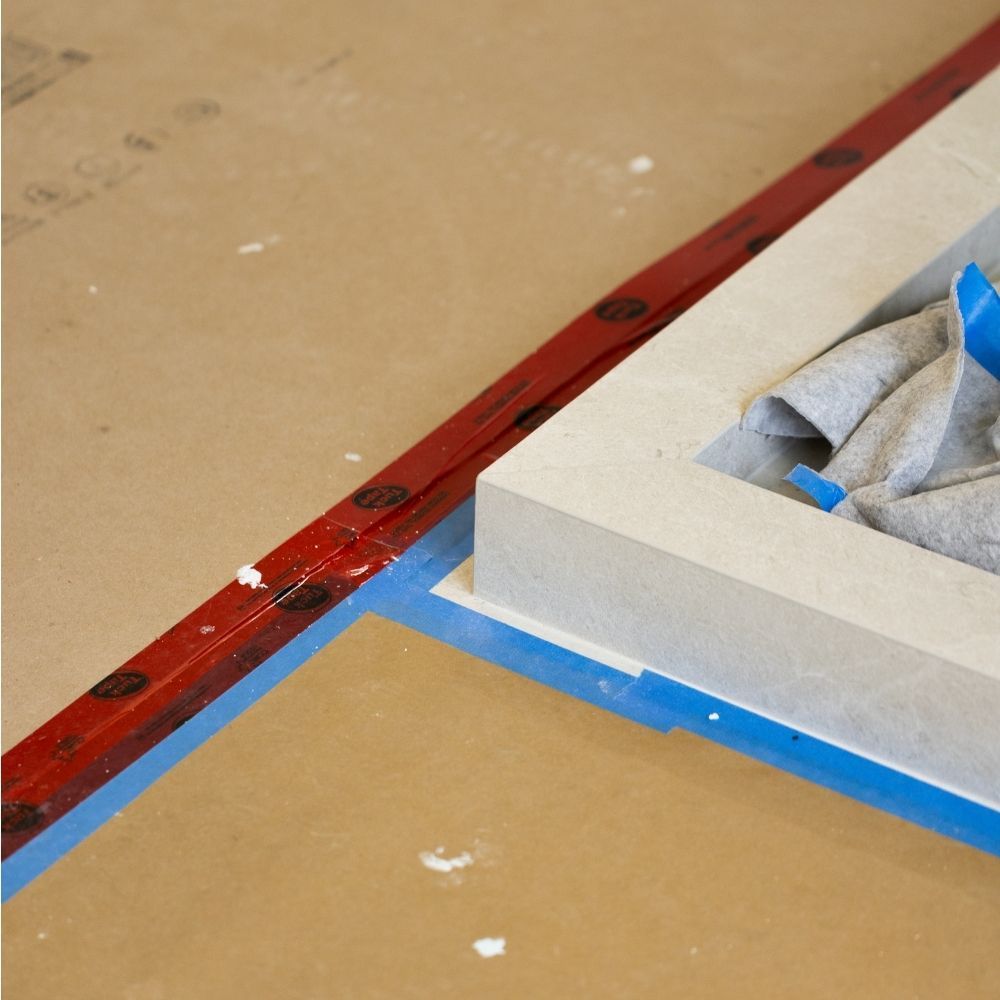
Job site cleanliness is a reliable early indicator of the quality of work to come. Skilled tradespeople tend to be meticulous. A clean site isn't about appearances; It reflects how seriously a trade takes their work and the people coming after them.
If you visit during the early stages and the site is in poor condition, take note. That standard rarely improves as the project gets more complex.
9. Nobody Is Checking the Work at Critical Stages
Supervision matters as much as skill. A contractor who isn't present at key stages, or who doesn't have a project manager or site supervisor checking in at the right moments, creates problems that build on each other.
Without proper supervision, drywall goes up before anyone has checked what's behind it, and tile gets set before the substrate is inspected. Before the project starts, ask who will be overseeing the job and at what points they'll be on site.
10. The Schedule Starts Slipping Without a Clear Explanation
Schedule overruns are the most common complaint from homeowners who've had a bad experience. A job runs weeks or months longer than they were told, and no one is communicating clearly about why.
The cause is almost always rooted in planning failures from before the project started: trades not coordinated in the right sequence, materials ordered too late, too many jobs running at once. Windows, for example, can carry lead times of eight to ten weeks. If they weren't ordered when they were selected, the project will stall waiting for them. That's not an unforeseen circumstance. It's a failure of organization.
If delays start early and communication goes quiet, those two things together are a serious sign.
Renovations are a significant investment. The homeowners who tend to have the worst experiences aren't the ones who ask too many questions. They're the ones who didn't ask enough. A professional contractor will welcome a thorough conversation before work begins. If they don't, that tells you something, too.
If you're planning a renovation and want to understand what a properly structured process looks like, get in touch with our team.