Interior Design Trends for 2026: What's In, What's Out
If you're planning a renovation this year, you're probably wondering: what design choices will still feel right five, ten, even twenty years from now?
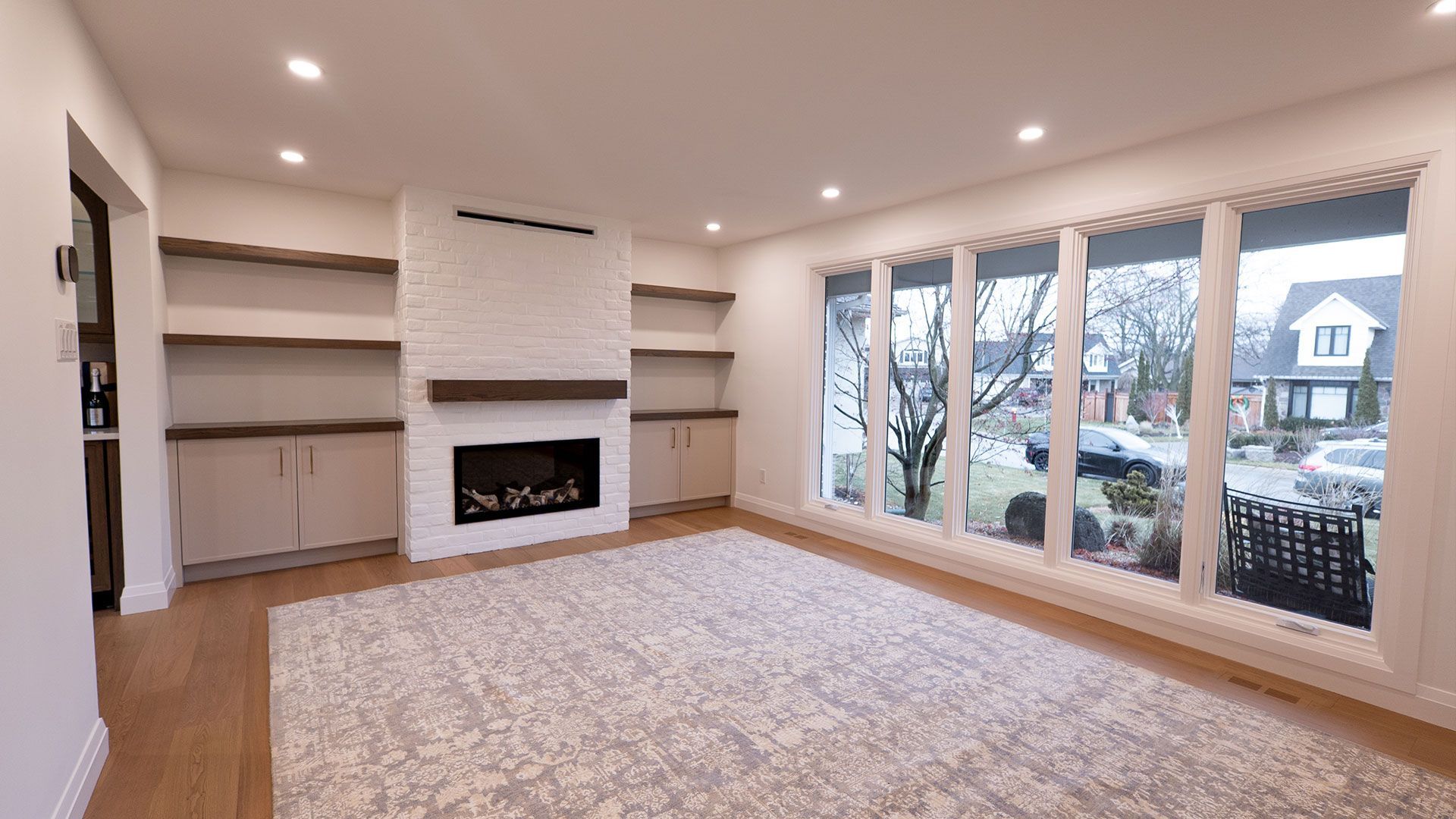
The good news? 2026 isn't about chasing fleeting trends. It's about something better: homes that feel warm, intentional, and built to last. After years of minimalism and "designed for Instagram" spaces, homeowners are now choosing comfort, character, and materials that age beautifully.
Here's what's shifting in interior design this year, and what it means if you're renovating your Burlington home.
1. From Cold Minimalism to Warm, Lived‑In Spaces
Colour is shifting from crisp and cool to soft and inviting. The aim is a home that feels calm and welcoming in every season, not just bright in photos.
What's in:
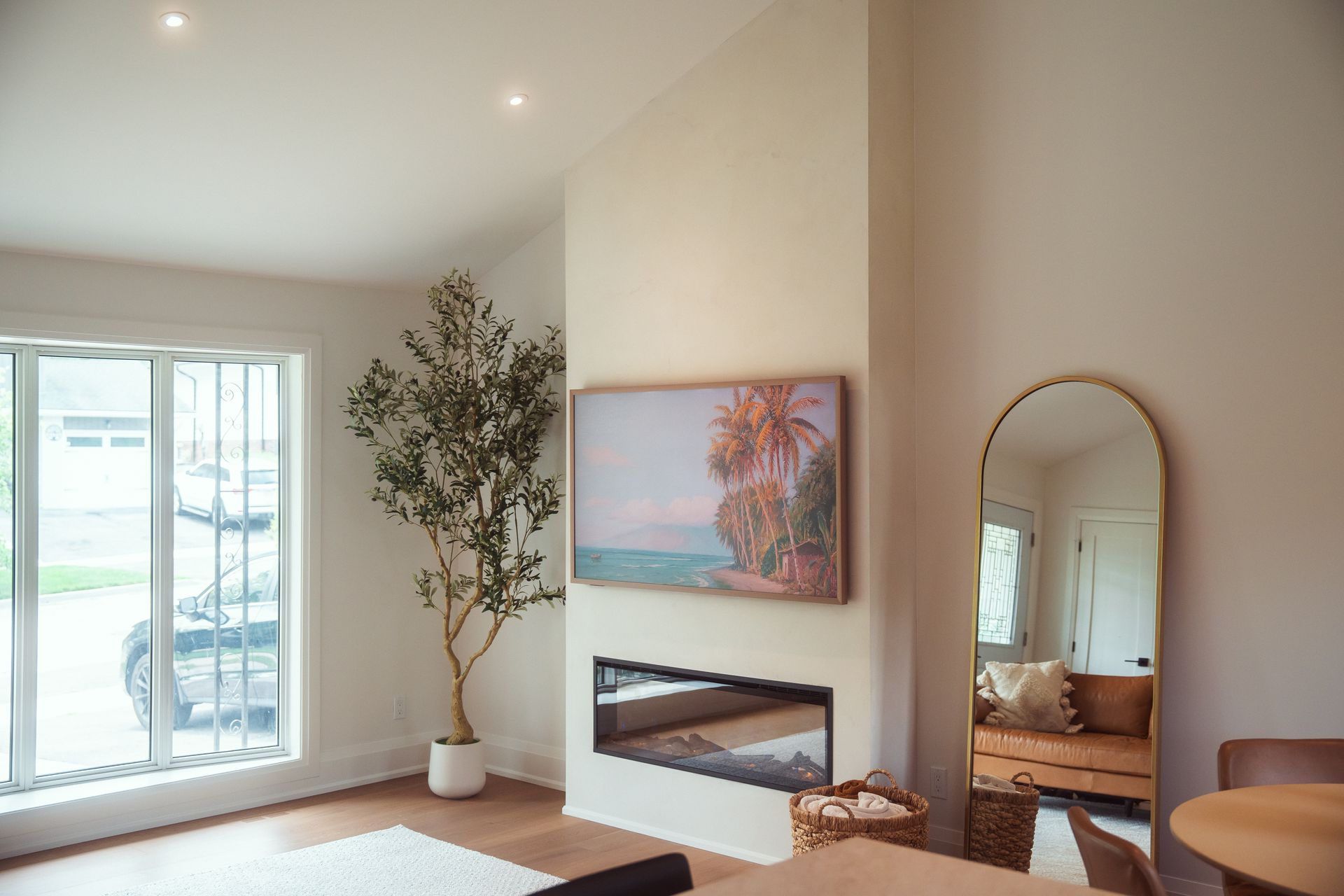
- Warm whites and soft neutrals: mushroom, sand, taupe, clay
- Richer tones like terracotta, dusty olive, muted blue, and deep espresso wood
- Slightly deeper palettes in lower‑light spaces like basements and north‑facing rooms
What's Evolving:
The all‑white, grey‑everything look isn’t “wrong,” but many Burlington homes are now softening that palette. In a Canadian winter, those spaces can feel cooler and less inviting than most families find comfortable.
How to Use This in Your Home:
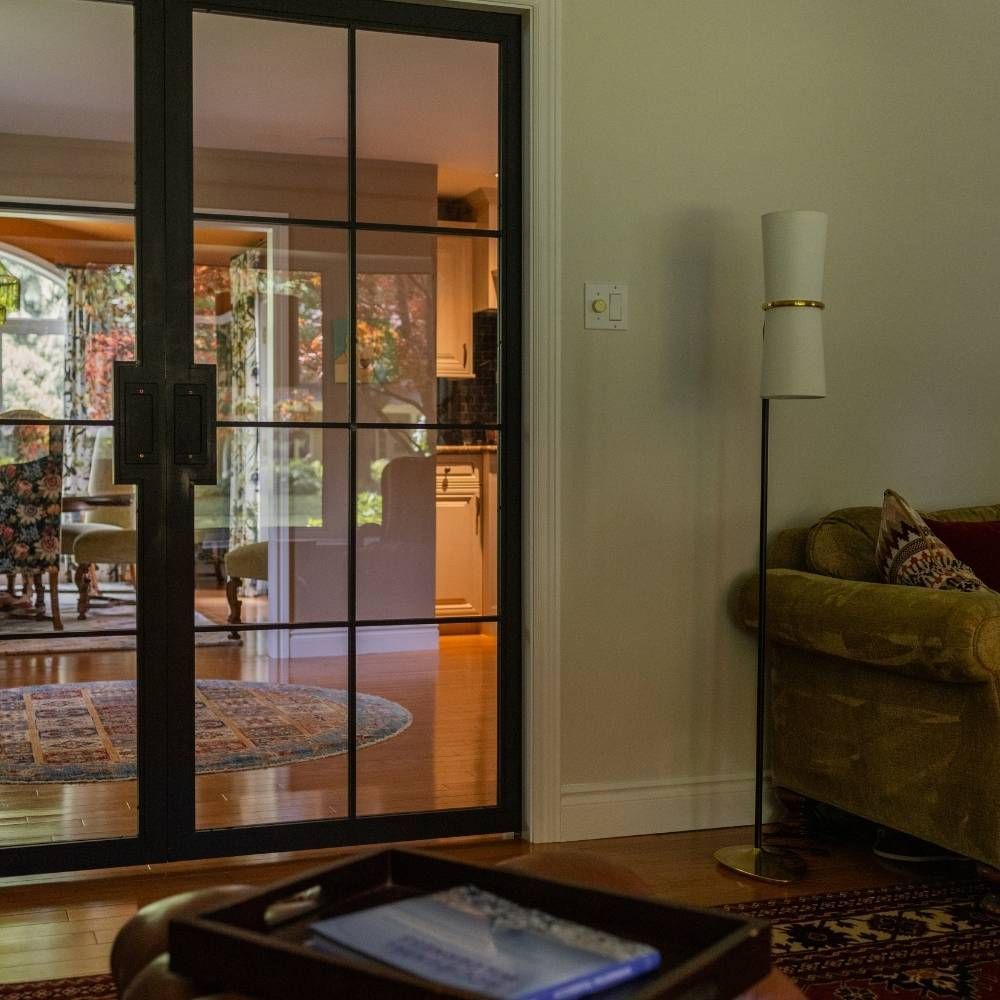
- Keep soft white as a base if you love it, but layer in warmer undertones and natural textures
- Use richer paint colours or wallpaper in basements, media rooms, and north‑facing spaces
- Bring in warmth through wood tones, textiles, and lighting rather than relying on walls alone
2. Warmer, Textured Materials With More Character
Materials are doing more of the visual work in 2026. Mixed tones and textures are replacing “one look everywhere,” so rooms feel grounded and individual.
What’s in:
- Mid‑tone and darker woods: walnut, richer oak stains, mixed species
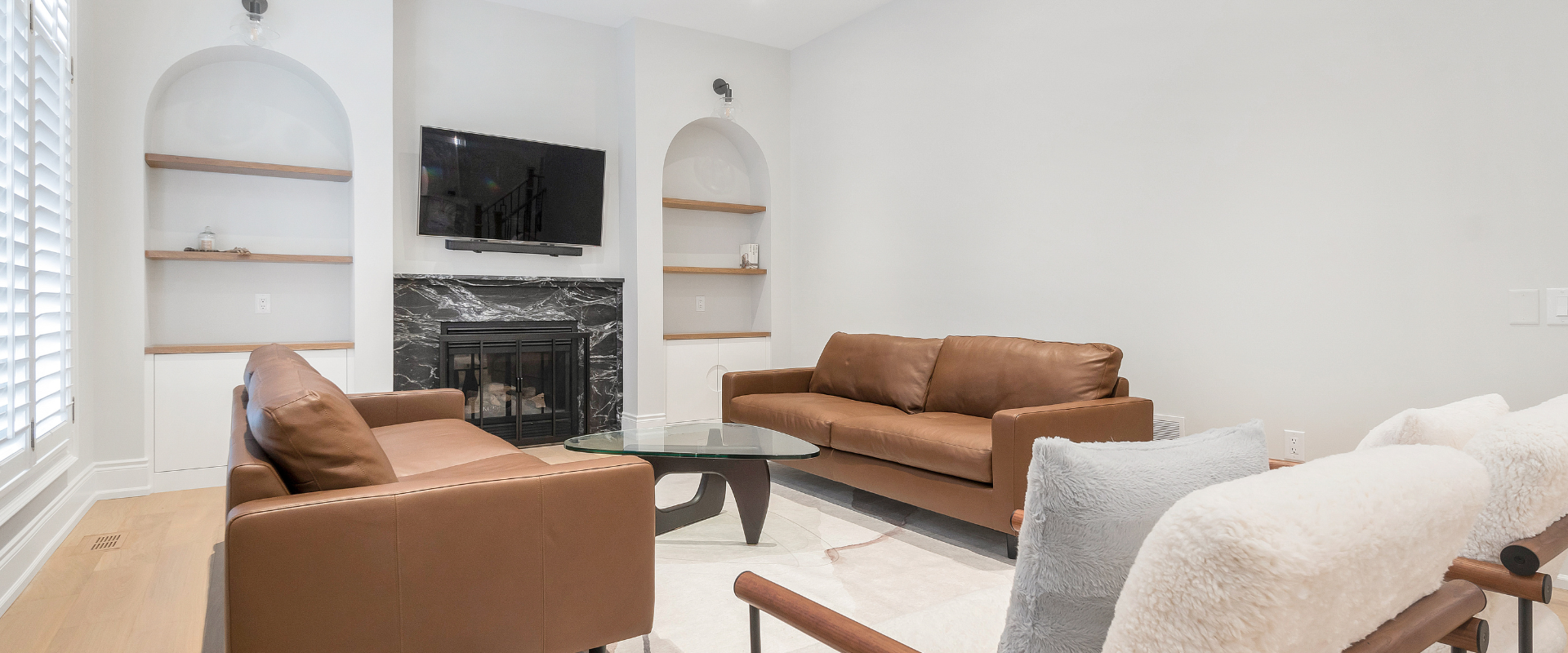
- Stone with visible movement: quartzite, travertine, marble‑look slabs
- Textured walls in limewash, Roman clay, or Venetian plaster.
- Softer shapes throughout the home: arched openings, rounded islands, and more sculptural furniture.
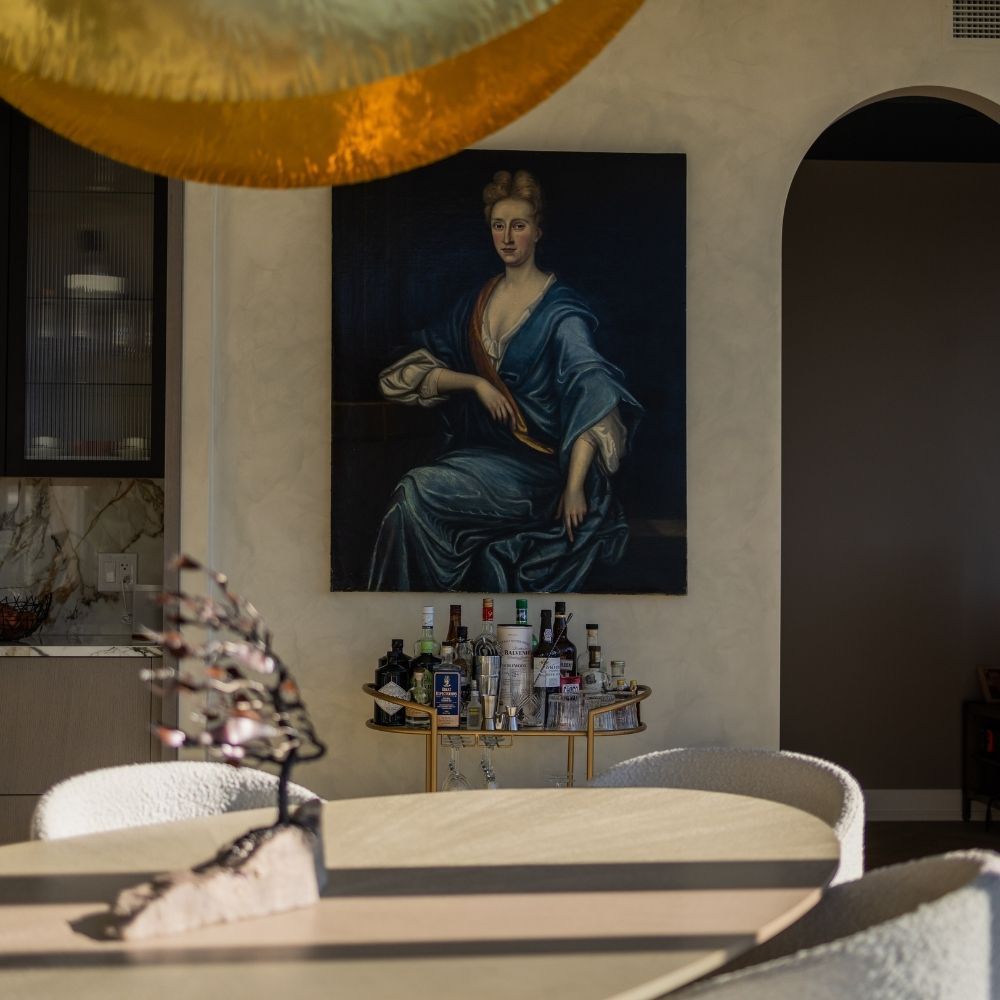
What’s Evolving:
The “everything pale oak” formula (floors, cabinets, furniture all in the same light tone) is softening. Homeowners still love light woods, but they’re pairing them with deeper tones and more texture so rooms don’t feel flat.
Design is less about a single wood tone and more about a thoughtful mix that adds character and hides everyday wear.
How to Use This in Your Home
- Keep your light oak floors, but consider a darker island or walnut accents
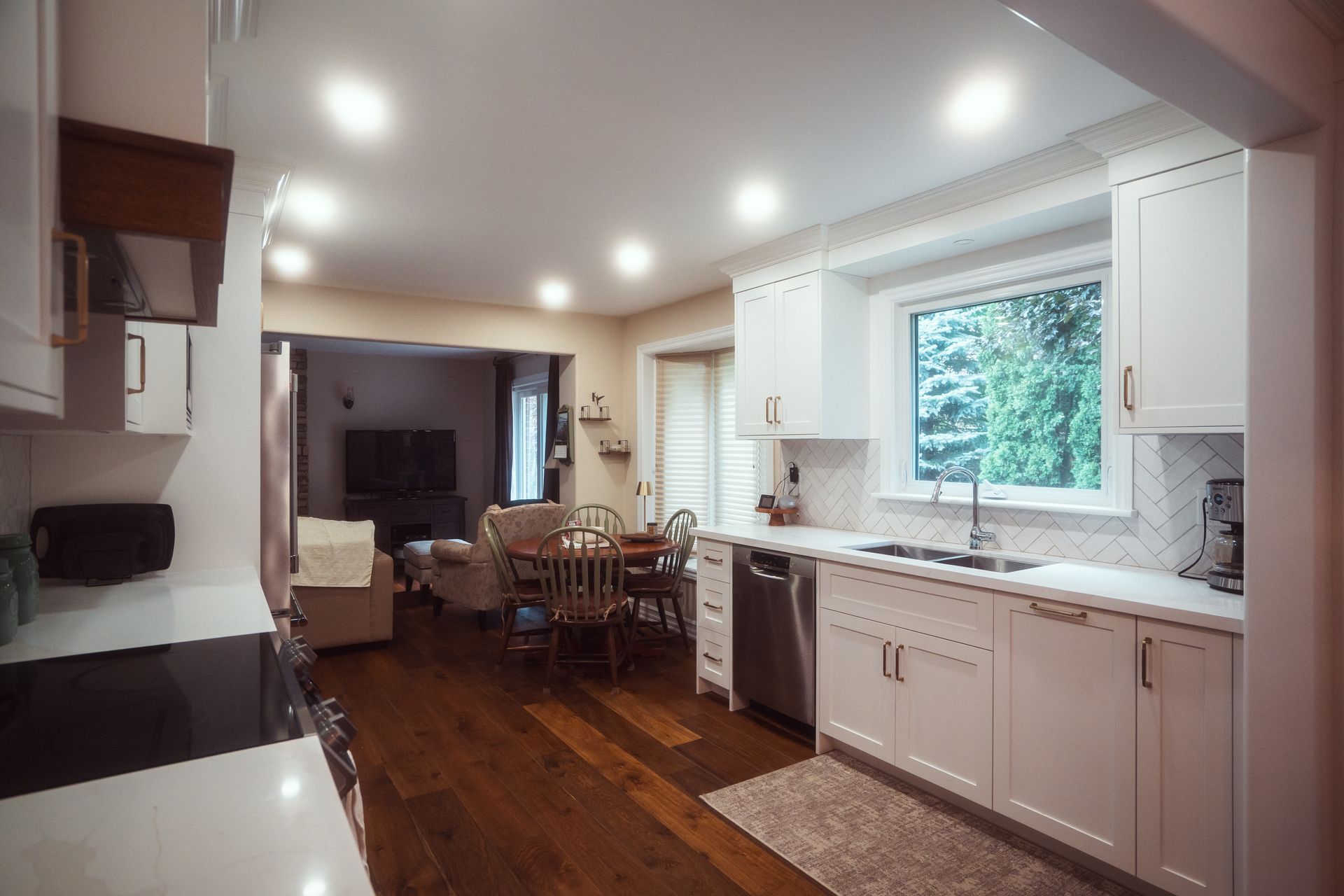
- Use a stone or stone‑look backsplash that runs full height for impact and easy cleaning
- Add texture on one key wall or through furnishings instead of everywhere at once
3. Zoned, Real‑Life Layouts Instead of One Big Open Room
Layout decisions are being driven by how families actually live. Homeowners still want openness, but with quieter pockets for work, play, and downtime.
What's in:
- Open main floors with clearly defined kitchen, dining, and living zones
- Finished basements with separate areas for media, fitness, games, or a suite
- Home offices with proper storage, lighting, and sound separation
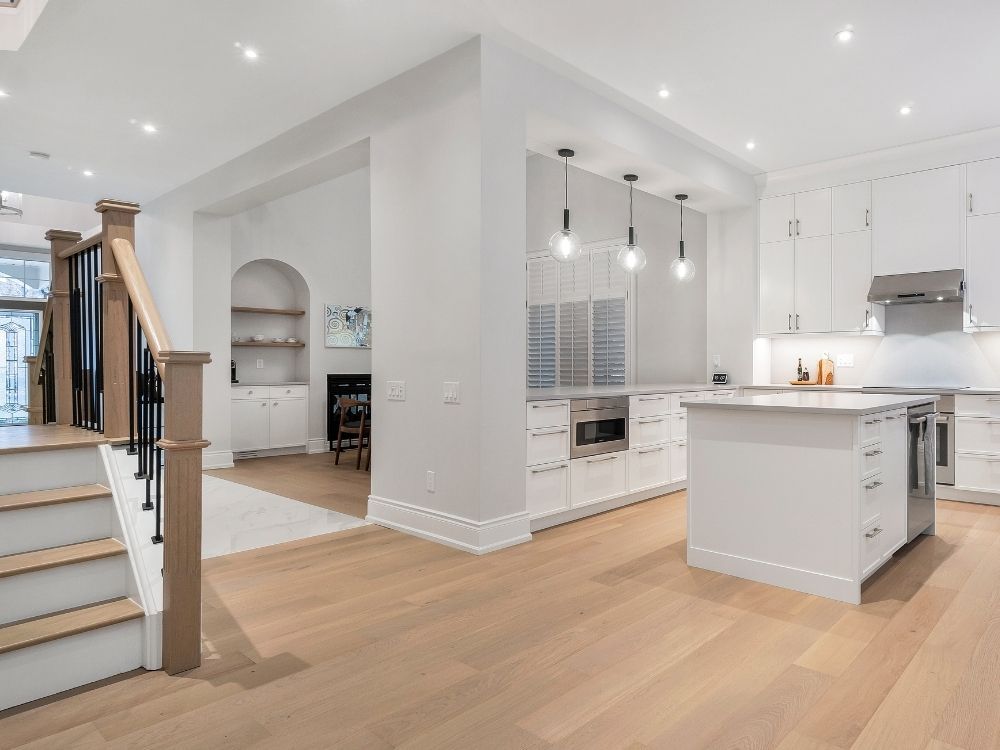
What's Evolving:
Classic open concept isn’t going away, but “one giant room” is becoming more refined. Burlington families want connection, but they also want spots where someone can work, someone else can watch a movie, and a third person can read, all without competing noise.
How to Use This in Your Home:
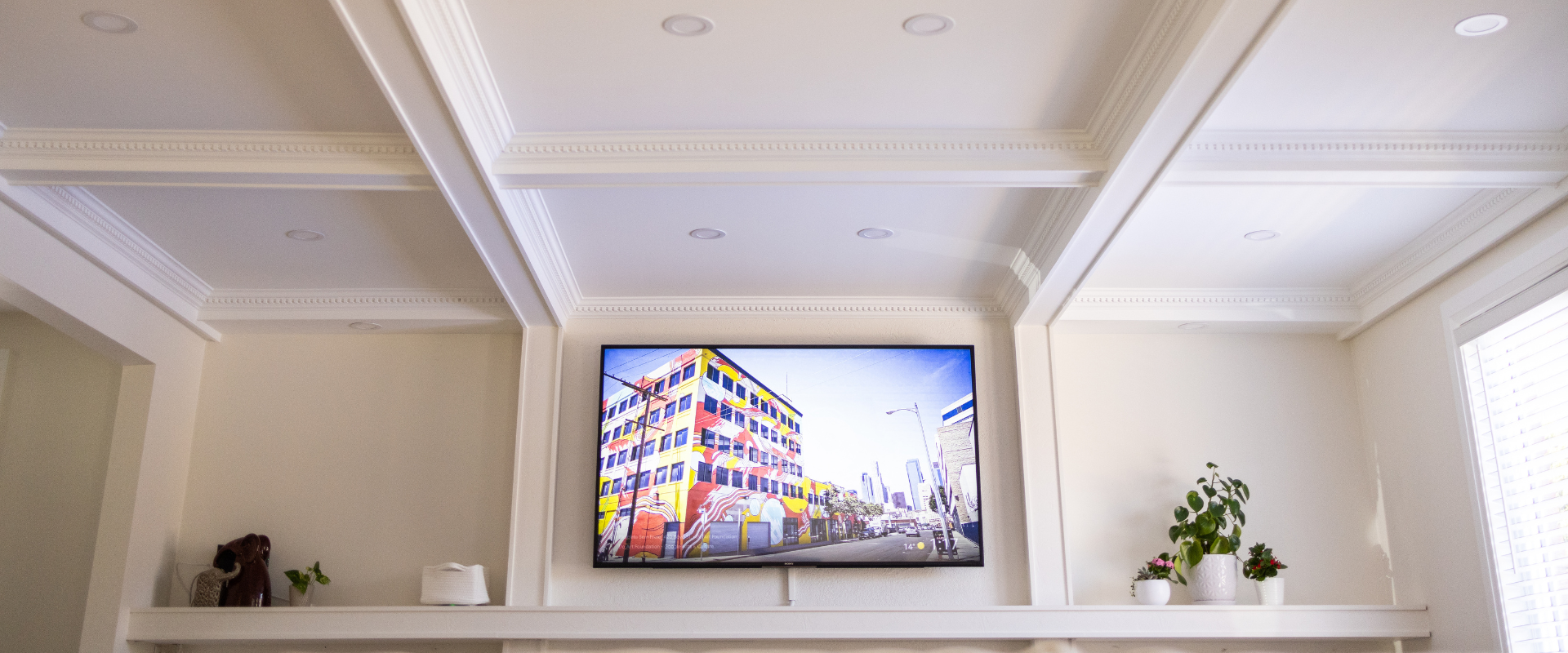
- Use millwork, ceiling details, or partial walls to create zones without closing rooms off
- Plan basement layouts around specific uses (media, guest suite, hobby, gym) rather than one big box
- Consider a dedicated office or built‑in workstation with doors or sound‑control if you take calls from home
4. Kitchens That Feel Warm, Simple, and Well‑Planned
Kitchens are leaning into “quiet luxury”: calm, highly functional rooms that work on a busy weeknight and when you’re hosting. Details are more integrated and less showy.
What’s In:
- Full‑height or slab backsplashes with fewer grout lines
- Integrated range hoods, appliance panels, and concealed appliance garages
- Walk‑in pantries or sculleries to keep counters clear
- Layered lighting: task, ambient, and accent lighting that can be dimmed and adjusted
What’s Evolving:
High‑contrast, all‑statement kitchens (bright white against jet black, busy patterns everywhere) are giving way to calmer, more cohesive rooms. Homeowners still enjoy a bold island or feature wall, but they’re pairing it with storage and lighting that support real daily use.
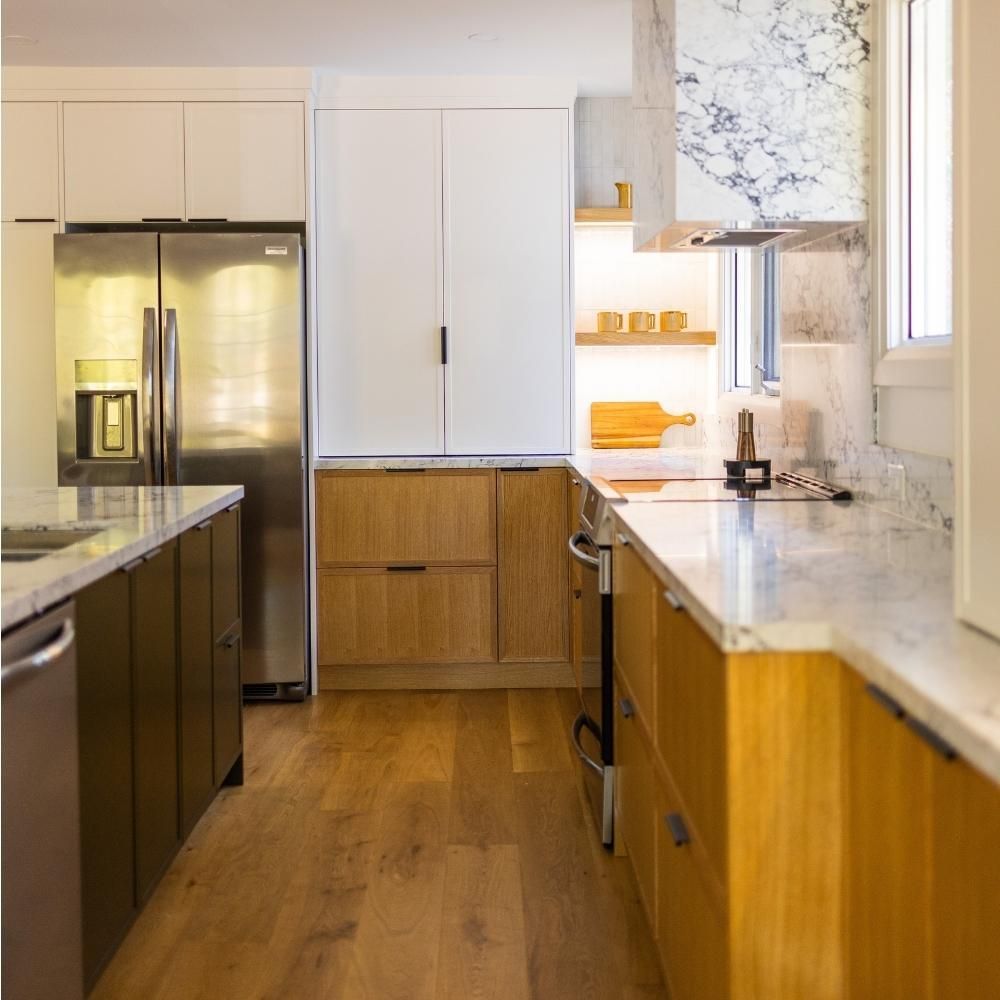
How to Use This in Your Home:
- Choose one or two focal points (island colour, range wall, backsplash) and keep the rest harmonious
- Invest in pantry space and appliance storage so your counters stay clear with minimal effort
- Plan lighting early: under‑cabinet, in‑cabinet, pendants, and ceiling lights, all on dimmers
5. Spa‑Inspired Bathrooms Designed to Last
En-suites are becoming true daily retreats. Comfort and finishes that age well matter more than dramatic looks. Easy maintenance is a main consideration.
What's in:
- Large‑format tiles or slabs with minimal grout
- Wet‑room style showers with benches and niches
- Floating vanities with wood detail and soft under‑cabinet lighting
- Backlit mirrors and warm, dimmable fixtures
- Heated floors as a standard comfort
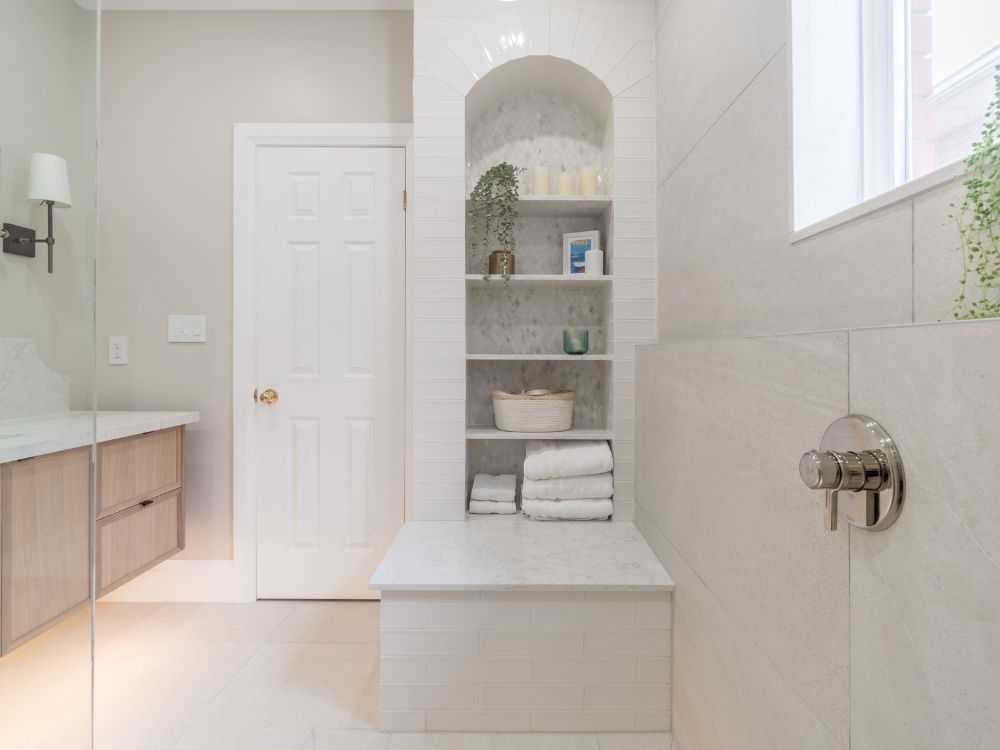
What's Evolving:
Very busy, high‑contrast bathrooms are less common. Homeowners are leaning into “quiet spa” rather than “showpiece hotel”. They prefer spaces that feel peaceful on a weekday morning, not just impressive in a photo.
How to Use This in Your Home:
- Choose calm, coordinated finishes that will age gracefully
- Prioritize warm, adjustable lighting over cool, bright light everywhere
- Think ahead about accessibility: curbless showers, benches, and enough space to move comfortably
6. Comfort, Energy, and Aging‑in‑Place Behind the Scenes
More projects now start with how the house performs. Comfort, energy use, and future flexibility are built into the plan, not added as an afterthought.
What's in:
- Upgraded insulation, high‑performance windows, and smart HVAC zoning
- Heated floors in basements and key bathrooms
- Moisture‑smart assemblies and proper ventilation
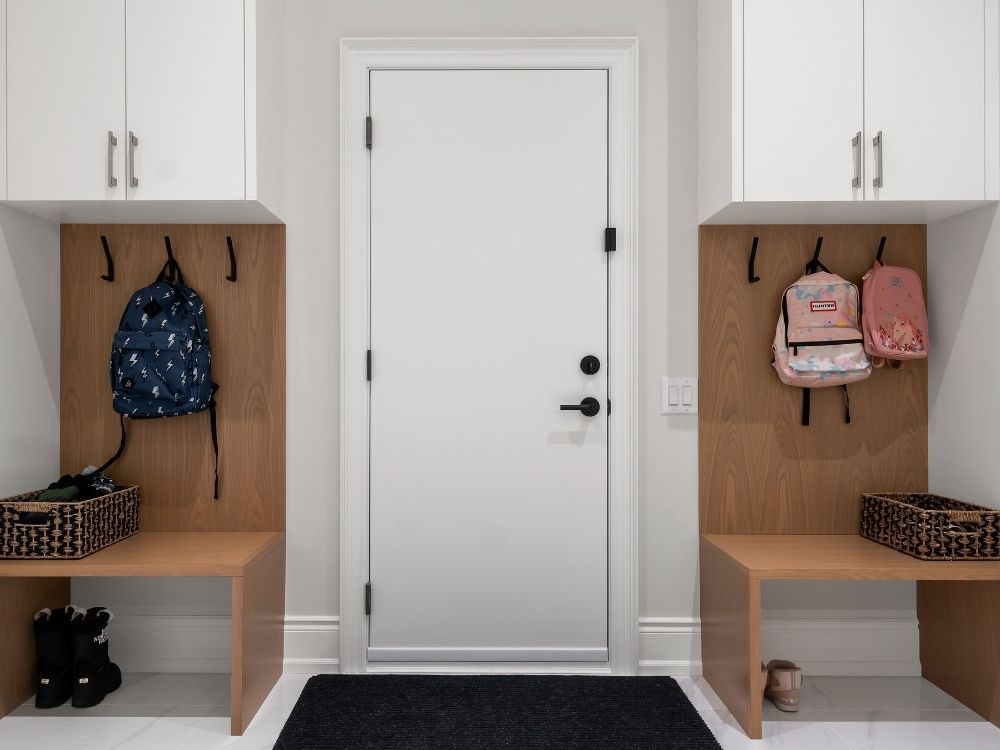
- Main‑floor primary suites, wider hallways, and curbless showers
- Flexible basement suites for parents, adult children, or guests
What's Evolving:
Renovations in Burlington are less about “quick flip” decisions and more about comfort, efficiency, and long‑term use. The choices you don’t see are becoming just as important as the finishes you do: what’s behind the walls and under the floors, and how does it support your comfort?
How to Use This in Your Home:
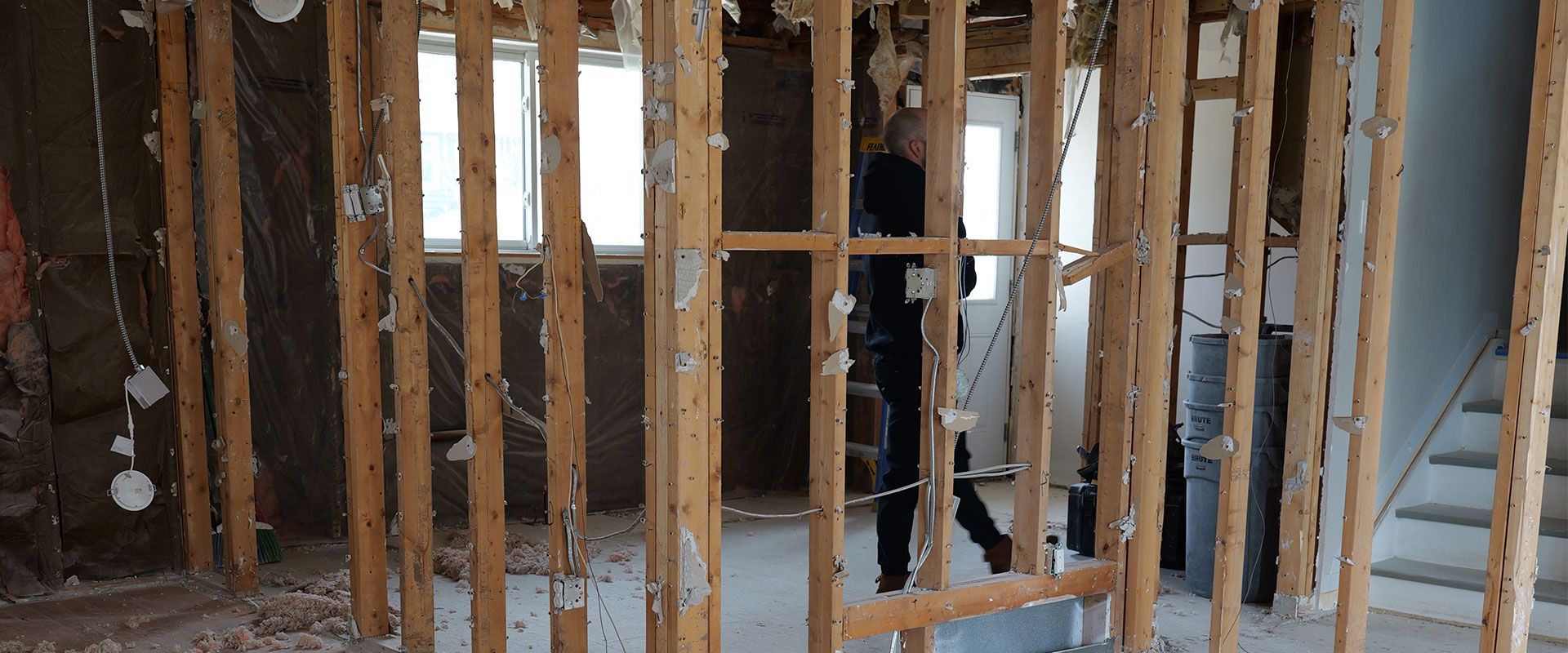
- When you open walls, take the opportunity to improve insulation, wiring, and mechanicals
- Consider heated floors anywhere you’re putting down new tile, especially in basements and en-suites
- Plan layouts with future mobility in mind: fewer steps, wider passages, and curbless showers where possible
7. Clean, Transparent Renovations That Respect Your Home
What’s In:
- Clear timelines and realistic schedules
- Proactive updates instead of “chasing for answers.”
- A consistent team on the construction site, not a revolving door of unfamiliar faces
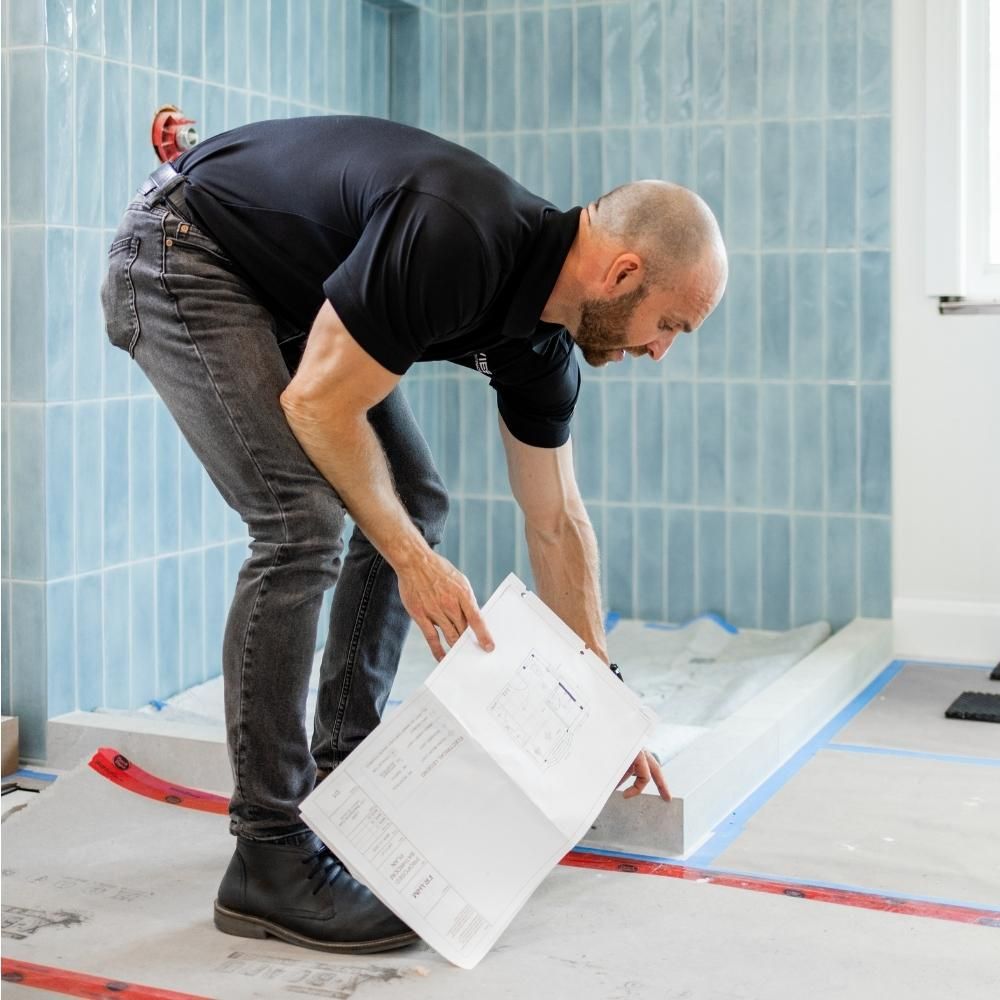
- Jobsite protection, daily clean‑ups, and thorough end‑of‑job walkthroughs
What’s Evolving:
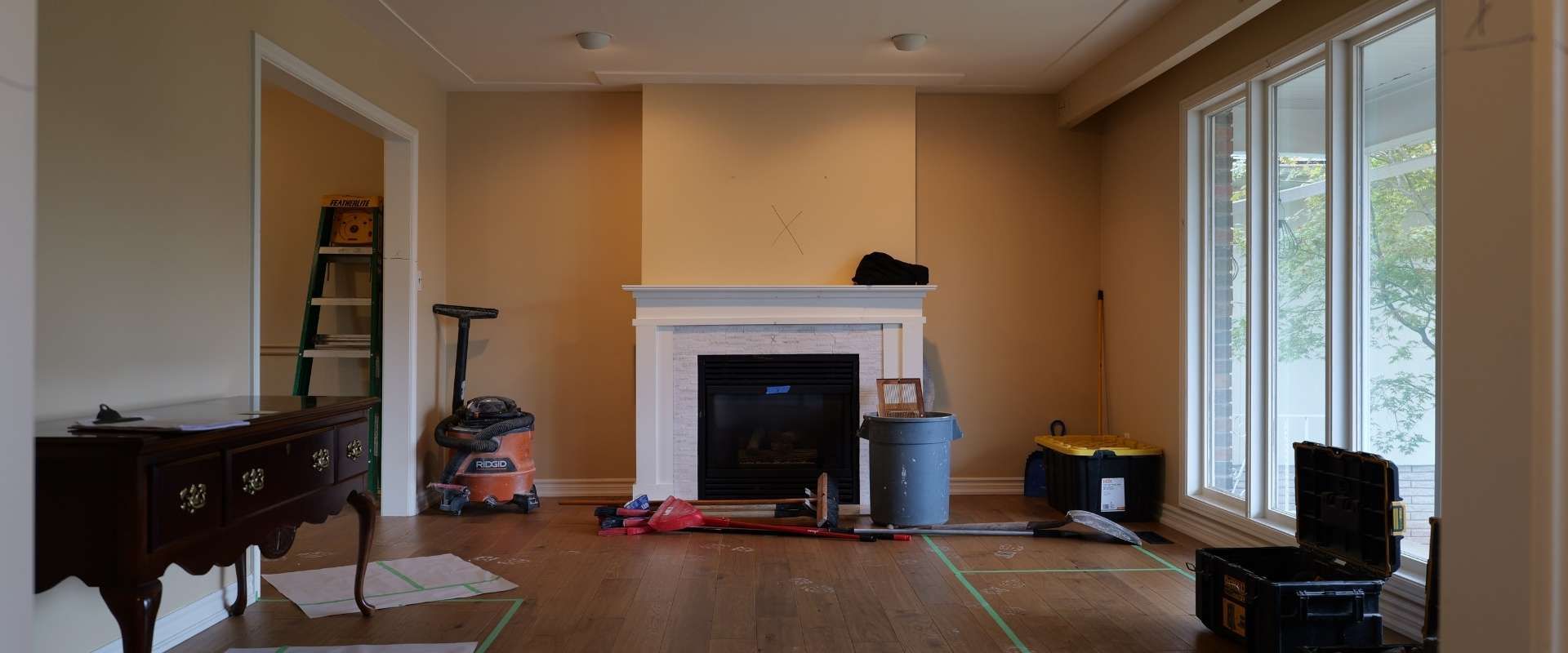
Homeowners are asking as many questions about the process as they are about the choice of tile or wood. A beautiful design doesn’t feel like an upgrade if the experience is chaotic or full of surprises.
How This Looks with the Right Contractor:
Every renovator will say they “communicate well,” but in practice, that means:
- You know who’s in your home and when
- You get regular updates without having to chase
- Issues behind the walls are explained in plain language with clear options
- Your home is protected and tidied at the end of each day
That level of predictability and respect is becoming just as important as the finishes themselves.
How to Renovate in 2026 Without Regretting It
Use what is current as an inspiration, but choose what works for you. The homeowners who are happiest a decade after a renovation are the ones who make choices rooted in how they actually live, not in what was trending when they signed the contract. What tends to age well are layered spaces, better storage, improved layouts, and materials that feel good to touch every day.
Bolder ideas still have a place, but they work best in details you can change later, such as a powder room colour, a light fixture, or a piece of furniture, rather than in every fixed surface. Before you commit to anything major, it helps to pause and ask: “Will this still feel right for our family in a decade?” If the answer is yes, then you are likely making a decision you will not regret.
Thinking About a 2026‑Ready Renovation?
If you are ready to explore a renovation that feels current in 2026 and still right ten years from now, then we can help you plan it with clarity from the start. We will walk your space with you, talk through how your family lives, and outline a clear, fixed‑price plan so you always know what is happening next.
You should not have to choose between a beautiful design and a process that respects your family. With the right plan, you get both.