Renovation Permits in Burlington and Oakville: What Homeowners Need to Know Before Starting
One of the most common surprises homeowners encounter during a renovation has nothing to do with construction itself. It's the permit process. A project that seems straightforward on paper can quickly run into delays, added costs, or even a stop-work order if the required approvals aren't in place before work begins.
In Burlington and Oakville, permit requirements often extend beyond major additions and new builds. Structural changes, plumbing relocations, decks, conservation authority approvals, tree protection regulations, and local zoning rules can all affect whether your project can move forward and how long it will take to get started. Understanding those requirements early helps you avoid costly setbacks and keeps your renovation on schedule. Here's what homeowners should know before picking up a hammer.
When a Renovation Needs a Permit
(and When It Doesn't)
The general rule is simple: any alteration to the structure of your home requires a permit. That covers removing or modifying walls, beams, and anything that holds the house up as well as moving mechanical systems like plumbing or HVAC, and additions off the back or top of the house.
Purely cosmetic work is a different story. Painting, new flooring, or replacing cabinets in the same layout typically does not require a permit, as long as nothing structural or mechanical moves. However, there is one caveat: your project still has to meet zoning regulations even when no building permit is needed. Zoning governs things like setbacks from property lines and how much of your lot a structure can cover, so it can affect projects you'd never think to check.
Projects Homeowners Assume Don't Need a Permit
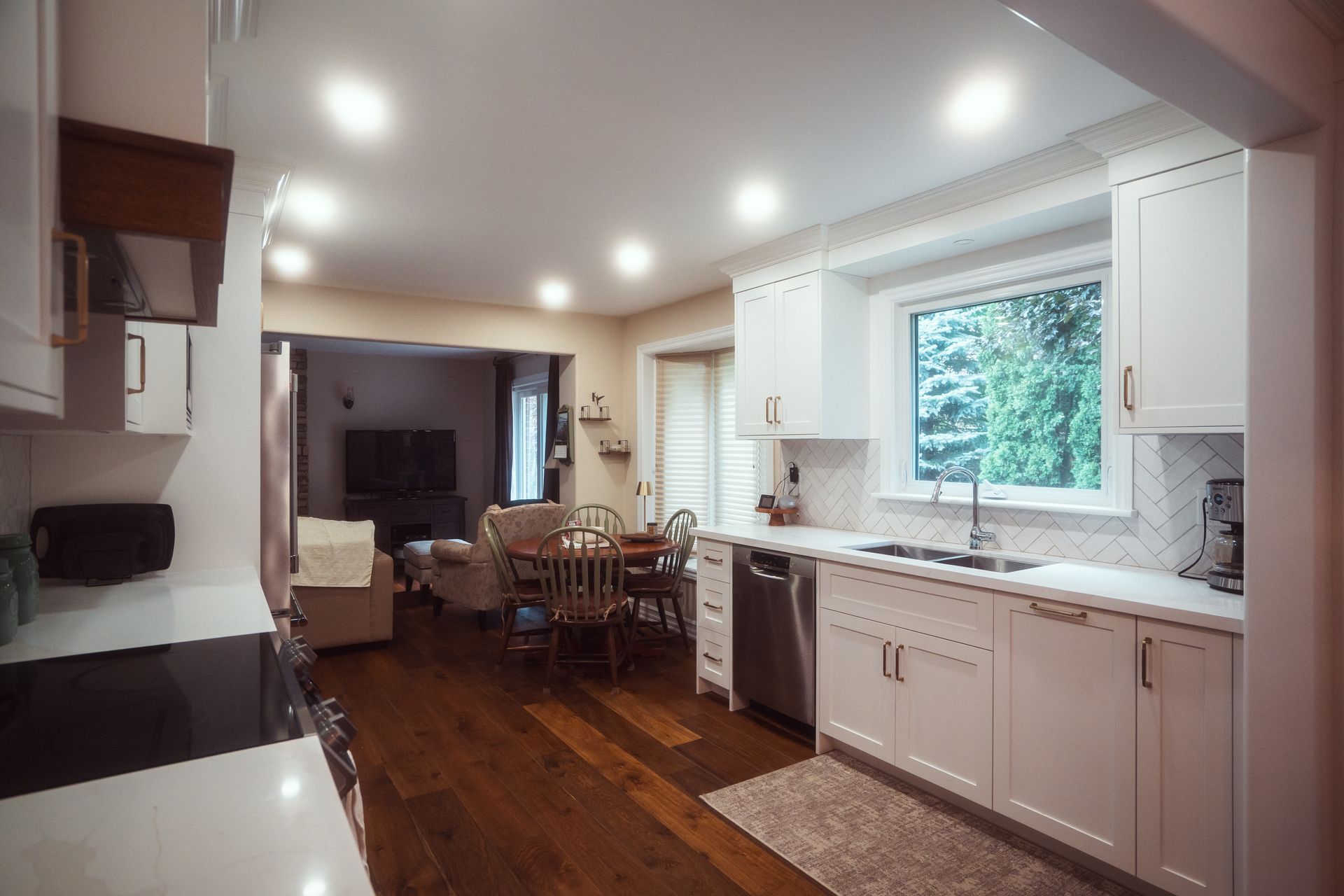
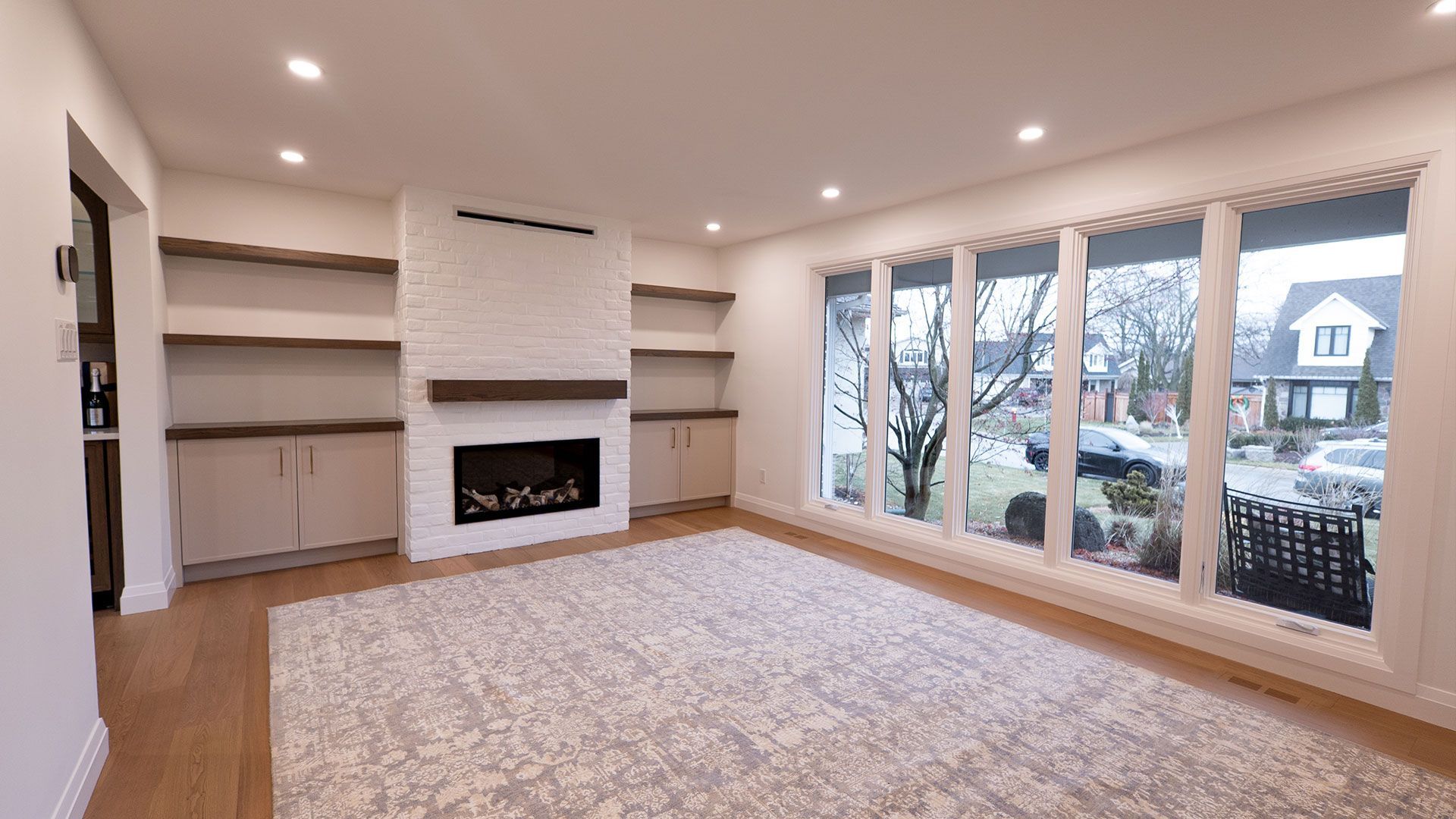
Certain projects come up again and again, where homeowners assume no permit is needed. The team at Davies General Contracting has worked with people who believed an open concept conversion, removing the walls between the kitchen and living areas, didn't require one. Others assumed they could relocate all the basement plumbing for a new bathroom without involving the city. Both projects need permits since removing walls affects the structure of the home, and cutting or relocating plumbing underground requires city approval every time.
Exterior work catches people off guard, too. A deck feels like a weekend project, not something that involves city hall. But decks and covered porches require permits most of the time, and the same goes for other structures attached to the outside of your house.
Local Rules That Catch Homeowners Off Guard
Burlington and Oakville have layers of approval beyond the building permit itself.
Conservation Areas
Both municipalities contain multiple conservation areas. Additions that involve digging in these zones bring agencies like Conservation Halton and the Niagara Escarpment Commission into the process. These authorities affect how far you can dig and what setbacks apply.
Tree Protection
Burlington and Oakville have many large, mature trees that the city wants protected, and most homeowners do too. Renovation projects near these trees often require tree hoarding and designated tree protection zones to keep them in good shape. In Oakville, the Private Tree Protection By-law requires a permit to remove any tree measuring 15 centimetres or more in diameter at breast height. Burlington protects trees through its own Private Tree By-law and Public Tree By-law.
Burlington's Pre-Building Approval
Burlington also requires a Pre-Building Approval before you can apply for a building permit. This step reviews your project against the zoning bylaw, grading and drainage requirements, and the city's private and public tree bylaws, so it adds time to your schedule before the permit process even begins.
How Long Do Permits Take?
Permit timelines depend heavily on whether the work is inside or outside your home. With a standard application, expect about two weeks before the city begins reviewing your submission, then another two to four weeks of review for a minor alteration, such as a single structural change. A fast-track application can come through within two to four weeks, depending on the scale of the interior work. In Oakville, the whole process now runs through ePlan, an online system that combines application intake, review, and approval into a single platform.
Exterior projects are far less predictable. These timelines are case-by-case and house-by-house because zoning rules, conservation reviews, and tree protection all come into play. Some projects within conservation areas have taken up to a year to get permits.
The permit itself is also only part of the schedule. Once construction starts, the city inspects permitted work at set stages before signing off on the project, so those checkpoints need room in your timeline too.
When You Need an Engineer or Architect
Anything structural requires an engineer's sign-off. For projects like wall removals, the architect and engineer work together: the architect draws up the entire house and creates the openings, while the engineer specifies the requirements for the beams. That sign-off is more than paperwork. It confirms the work keeps your home safe.
The Real Cost of Skipping a Permit
Some homeowners try to save money by skipping the permit, but that decision often costs more in the long run. It's also illegal, since starting construction before receiving the required permit breaks municipal rules.
If the city discovers unpermitted structural work, it can issue a stop-work order that puts your job on hold. You then go through the full permit process with your home opened up, paying for the permit anyway, plus the added project time, while the trades scheduled for your job get pushed to a different date.
There's an insurance risk, too. If your insurer finds out you completed an open concept renovation without a permit, your costs could increase.
A permit protects the homeowner, and it keeps the contractor honest and on their toes. That accountability works in your favour.
How Davies Handles Permits
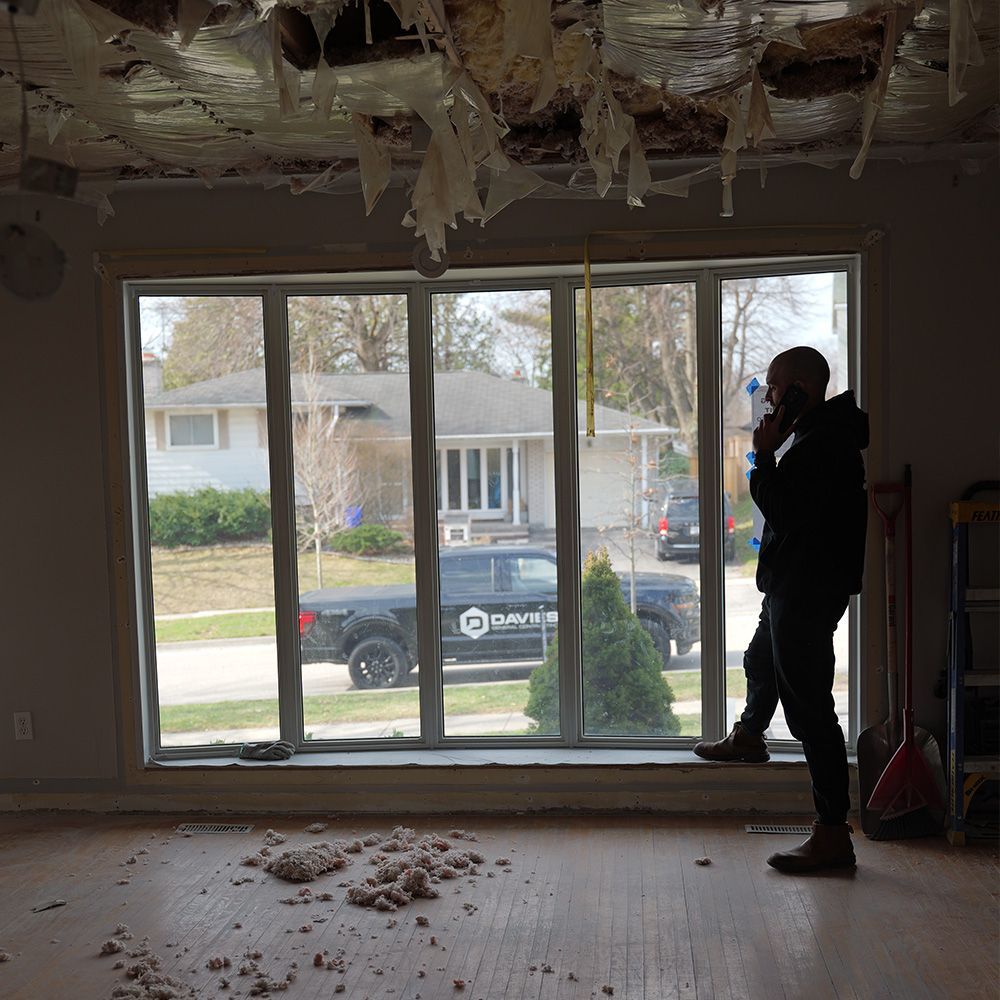
Davies General Contracting works with a couple of trusted architectural firms that handle the full permit package: site measuring, the permit application, engineer and mechanical coordination, and city submissions. DGC then acts as the liaison between the architectural firm, the client, and the city, making sure everything is in order before the renovation begins.
When a permit is involved, the work usually demands real skill, and that applies to the paperwork as much as the construction. Having professionals manage both protects your home and the people in it.